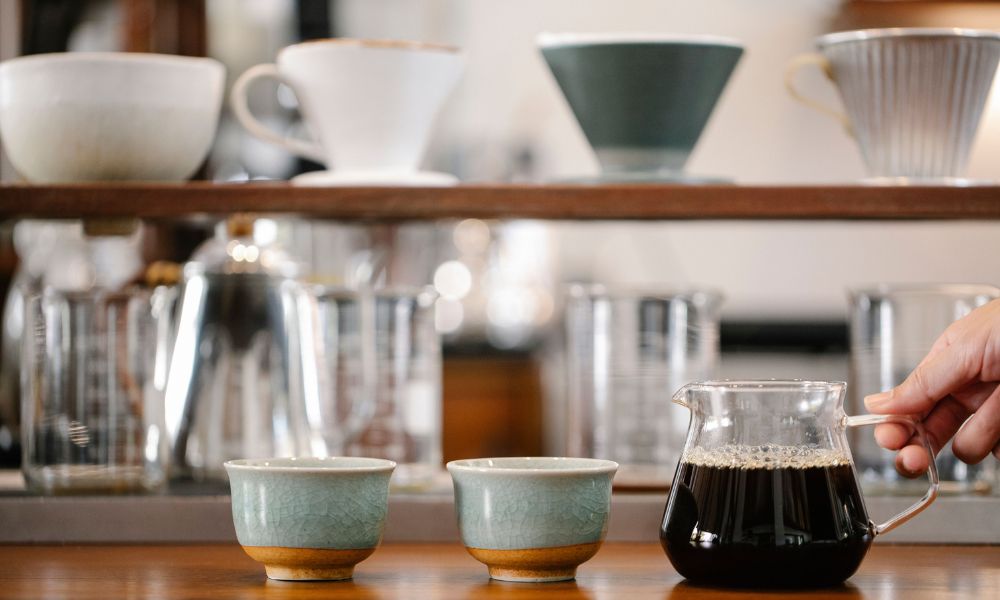

The relationship between coffee and cholesterol is one of the most common concerns among people who love espresso but need to keep their blood cholesterol levels under control. The question is simple: does coffee raise cholesterol, or can you continue drinking it without any concerns? As is often the case in medicine and coffee brewing, the answer depends on the extraction method, daily intake and the individual’s risk profile.
Coffee does not contain cholesterol in the same way as foods of animal origin, but it does contain natural compounds that can influence lipid metabolism. Understanding what these compounds are and how to manage them can help you make more informed choices without necessarily giving up your daily cup.
Does coffee raise cholesterol? The scientific explanation
When discussing coffee and high cholesterol, caffeine is not the main issue. The compounds most frequently examined are coffee diterpenes, particularly cafestol and kahweol, which are found in the oily fraction of the coffee bean. These substances can contribute to an increase in LDL cholesterol, the so-called “bad cholesterol”, especially when consumption is high and regular.
This does not mean that every cup of coffee is a problem. A healthy person with normal cholesterol levels and a balanced lifestyle may tolerate moderate coffee consumption well. The situation is different for people who already have high LDL cholesterol, a family history of cardiovascular disease, familial hypercholesterolaemia or are undergoing specific treatment: in these cases, it may also be worth considering the type of coffee consumed every day.
Brewing method: filter coffee, moka and espresso
From a technical point of view, not all coffees are the same. The key difference lies in how effectively the brewing method retains coffee oils. Paper-filtered coffee tends to retain a significant proportion of diterpenes, which often makes it the more cautious choice for people who need to keep their cholesterol under control.
Methods such as French press, boiled coffee and preparations that do not use a paper filter allow more oils to pass into the drink. Moka coffee and espresso should not be demonised, but they are methods in which a proportion of the lipid component can reach the cup. With espresso, however, the small serving size also matters: a single espresso is not equivalent to a large mug of unfiltered coffee.
For people who drink several coffees a day, alternating between espresso and filter coffee can be a practical strategy. On CaffèLab, you can explore the subject further in our guide to coffee brewing methods and our in-depth guide to coffee grinding.
How many coffees can you drink a day with high cholesterol?
Many people wonder how many coffees per day they can drink with high cholesterol. It is a practical question, but there is no single figure that applies to everyone. In general, for people with altered cholesterol levels, it may be reasonable to keep consumption moderate, for example 1–2 coffees per day, favouring filtered methods when coffee is consumed daily over a long period. For people with high LDL cholesterol, reducing the amount of unfiltered coffee may be helpful, while the most suitable daily quantity should be discussed with a doctor.
Quantity is not the only consideration. What you add to the cup also matters: sugar, cream, sweetened drinks and dessert-style coffee preparations can worsen the overall metabolic picture, particularly when high triglycerides or insulin resistance are also present. In these cases, coffee may simply become the vehicle for less favourable ingredients rather than being the main problem itself.
A useful approach is to monitor your test results over time. If cholesterol levels improve after 6–8 weeks of reducing unfiltered coffee and improving your diet, this may provide useful personalised information to discuss with your doctor.
How to drink coffee with greater attention to cholesterol health
Coffee lovers can continue to enjoy both its flavour and ritual while making a few smarter technical choices:
- choose paper-filtered coffee more often, particularly if you drink several cups a day;
- limit French press and boiled coffee if you have high LDL cholesterol;
- avoid sugar, cream and very high-calorie preparations;
- monitor your cholesterol levels over time rather than relying on a single blood test.
The quality of the raw material remains important: a high-quality coffee blend, the correct grind size and clean equipment can help you achieve a balanced cup without needing to compensate with sugar or flavourings.
The relationship between coffee and cholesterol should not be viewed in absolute terms. Coffee can be part of a healthy lifestyle, but the brewing method, quantity consumed and individual health conditions all make a difference. The simplest advice is this: if you have high cholesterol, do not necessarily start by giving up coffee completely; start by looking at the brewing method.