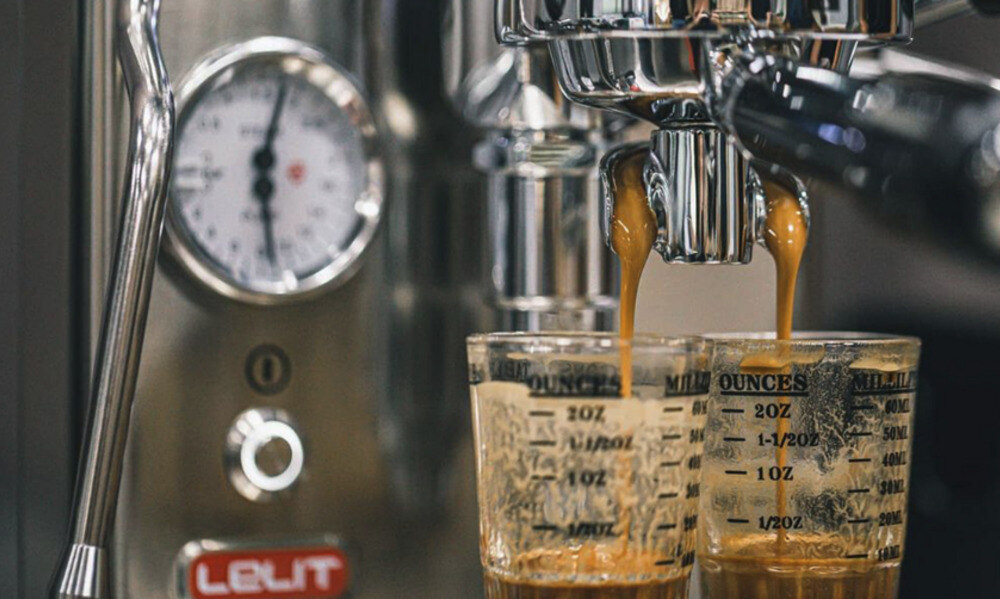
For coffee connoisseurs and for lovers of blends and single origins, purchasing a home espresso machine is always a turning point. It’s a level-up: the moment when the pleasure of discovering new aromas and flavors becomes a true passion, becoming part of your home décor. Here are some pointers to help you navigate the choice of your own home espresso machine. Let’s start, however, with a concept that might surprise some people: there is no espresso machine that is objectively better than another. Every home barista, every coffee lover has specific needs, and each machine is designed to meet different requirements. So we can say that there aren’t three absolute best home espresso machines; rather, we can guide our readers toward choosing the machine that best suits their needs.
Espresso coffee machines: single boiler and dual boiler, espresso and milk
The first major distinction is also the most important, and it answers this question: what is the main drink we will prepare with our new espresso coffee machine?
If we are espresso lovers and therefore fairly certain that milk-based drinks will make up only a small part of our preparations—an occasional treat—then we can definitely choose a single boiler machine. Of course, we’re talking about a machine with a semi-professional group and a non-pressurized filter, capable of replicating the espresso extraction of bar machines in every respect. Single boiler machines have the characteristic of having just one boiler that heats up quickly, in about ten minutes, but they do have a limitation: they don’t allow you to pull an espresso and steam milk at the same time. To do that, we’ll first have to pull the espresso and then increase the thermostat temperature and steam the milk for our cappuccino. This type of machine has a fairly small boiler, which allows you to steam a bit of milk, but they are designed primarily for espresso extraction and don’t have great steam power.
If we intend to use our new espresso machine mainly for milk, cappuccinos, macchiatos, marocchini, and other milk-based drinks, then our choice can only be a heat-exchanger machine with an E61 group, or even a dual boiler. Dual boiler espresso machines have two separate boilers: one is used to pull the espresso, the other to provide all the steam needed for milk frothing—just like a professional bar machine. In theory, dual boiler espresso machines can be used by a small restaurant or any other type of venue that serves a limited number of coffees per day.
The grinder
The importance of the grinder is often underestimated when buying a home espresso machine, but a large part of the result in the cup depends on its quality. When using a professional or semi-professional espresso machine, you certainly can’t use pre-ground coffee—so the grinder becomes essential to find the right grind setting, meaning the one best suited to our taste and to our machine. There are automatic machines with an integrated grinder that are perfect for those with limited space and can do an excellent job. If we have a bit of space in the kitchen, then having a grinder alongside the espresso machine allows for greater thermal isolation compared to what compact machines offer. And they can, in turn, be true home décor objects.
How much does a home espresso coffee machine cost?
One of the most important variables when choosing our espresso machine is, of course, the budget we have available. A good-quality single boiler machine, made of steel and well built, starts at around 350–400 euros. Their cost can rise significantly, even reaching 7,000 euros, and this depends mainly on the features that enhance the machine. From temperature settings that increase thermal stability, to the ability to program pressure or temperature profiles during extraction, all the way to automatic dose and water-flow regulation to make extraction results more consistent. There are many features that can raise the cost of our home espresso machines, but they are also features that can significantly improve the quality of our extraction.
Another aspect must also be clear when talking about budget: the more features these machines have, the more skill the home barista needs to manage them. To give a very simple example, we could say that these machines are the Ferraris of the espresso world, and therefore require a safe-driving course before you can handle them without risking a disaster.