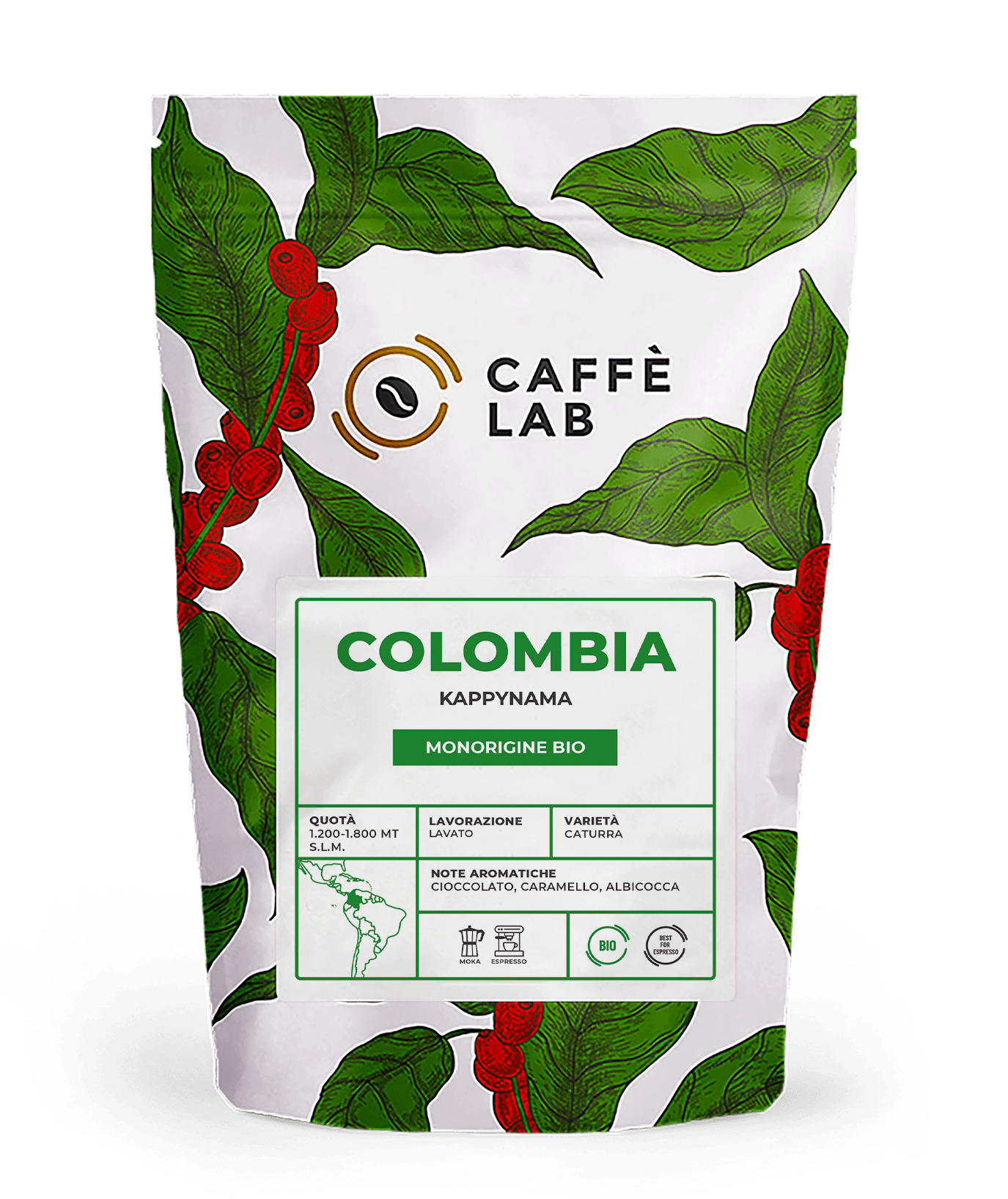


Colombia Organic
Kappynama
12.90 €
When we talk about coffee cultivation, many people imagine only green plantations and red cherries ready to be picked. In reality, growing coffee is a precision agricultural activity that involves climate, altitude, soil, shade, and plant management. All these factors determine yield, quality, and above all the aromatic profile in the cup. Thanks to the experience gained by the CaffèLAB team on various coffee blends, you can discover a clear and technical overview—useful even if you are not a professional—to understand what makes a coffee good even before roasting.
Coffee thrives in the tropical belt, but “warm weather” alone is not enough to achieve quality. The coffee plant is sensitive to the balance between temperature, rainfall, and seasons: it needs humid periods for vegetative growth and a drier phase to stimulate flowering and fruit ripening. In general, selected areas experience significant annual rainfall (often in the range of 1,500–3,000 mm, with variations depending on the species and agronomic management). Even specialty coffee grows only under specific climatic conditions and in particular geographical areas.
Altitude is another key factor: for Arabica, quality cultivation often occurs above 1,000 meters above sea level, where cooler temperatures slow down maturation and enhance aromatic complexity. By contrast, Robusta (C. canephora) tolerates heat and humidity better and adapts more easily to lower elevations, with a sensory profile and caffeine content that are generally higher.
Coffee cultivation does not mean simply planting and waiting. The ideal site must combine drainage, fertility, and water availability, avoiding waterlogging that stresses roots and increases phytosanitary issues. Slope and exposure to sunlight and weather also matter: they affect solar radiation and microclimate, thus influencing ripening times and disease risk.
A often underestimated aspect is shade: agroforestry (trees above coffee plants) can moderate extreme temperatures and protect against water stress, but well-managed shade also requires balancing benefits with potential downsides, such as overly humid microclimates. Research shows that the impact on the onset of coffee leaf rust can vary greatly depending on context and management.
A simple way to fully understand the requirements for a healthy coffee cultivation can be summarized in this mini-checklist:
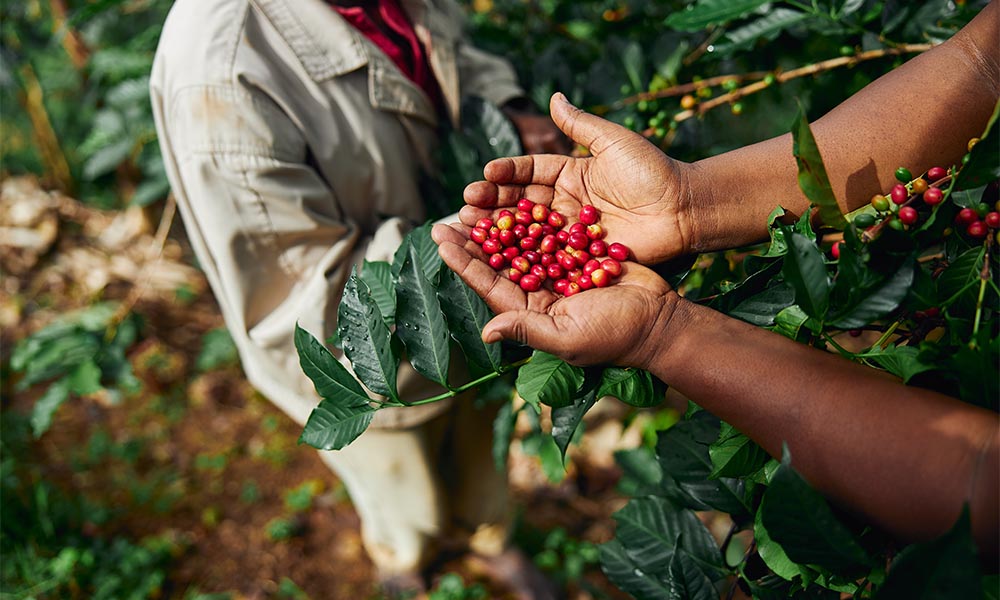
Coffee “cherries” do not all ripen on the same day: this is why selective harvesting (picking fruits at the right ripeness level) is one of the stages most closely linked to quality. Immediately afterward comes processing: washed, natural, or intermediate methods. The National Coffee Association clearly describes the basic principle: harvesting, removing the pulp, and preparing the seed (the bean) for drying and then roasting.
This is where fermentation comes into play: it is not a “specialty trend,” but a real component of the process, with different dynamics between wet and dry processing. The SCA highlights how fermentation occurs in different environments (process water in washed coffees, outer fruit layers in naturals) and can leave measurable traces on green beans. Discover our range of single-origin coffees to fully understand the unique varieties of these blends, which come from even small realities capable of producing coffees impossible to replicate elsewhere.
Three mistakes are frequently observed, even in well-structured farms:
Coffee cultivation is a continuous balance between environment and agricultural choices. Altitude and microclimate, soil, shade, harvesting, and post-harvest processes build quality even before each bean is roasted.