
Cold coffee, sweet and refreshing, is a great option for summer or in warmer climates. But how do you make cold brew? If you’re wondering which brewing method you should use to get a perfect cup—sweet and delicate—take a look at the different techniques in this quick guide. Now you can discover how to improve and personalize your cold brew to get a delicious result every time!
Let’s start with the first step: choosing an extraction method for your cold coffee.
Just like with traditional coffee brewing, there are many ways to prepare cold coffee and plenty of options to customize it to your taste. Cold coffee has a reputation for being sweet, gentle, and low in acidity, but that’s not always the case. Before choosing a method, it’s important to consider what sensory profile you want in your cup. For example, only heat extracts the brighter acidic notes. This means cold coffee brewing requires a few different considerations compared to hot coffee.
Let’s also think about practicality: how much time are you willing to invest in your cold coffee? Do you drink it often enough to justify buying special equipment? Let’s look at the pros and cons of the different methods.
-
Immersion cold brew brewing
Immersion brewing involves steeping the coffee blend in cold water. Fair quickly, you’ll get a smooth coffee with low acidity. To achieve a balanced and sweet cup, we recommend our specialty coffee Costarica, a natural coffee with a full body and notes of tropical fruit, chocolate, and wine-like nuances. Or, if you’re more inspired by our Congo, you’ll find an elegant sweetness with a fruity, persistent aftertaste—an experience that feels unique and memorable.
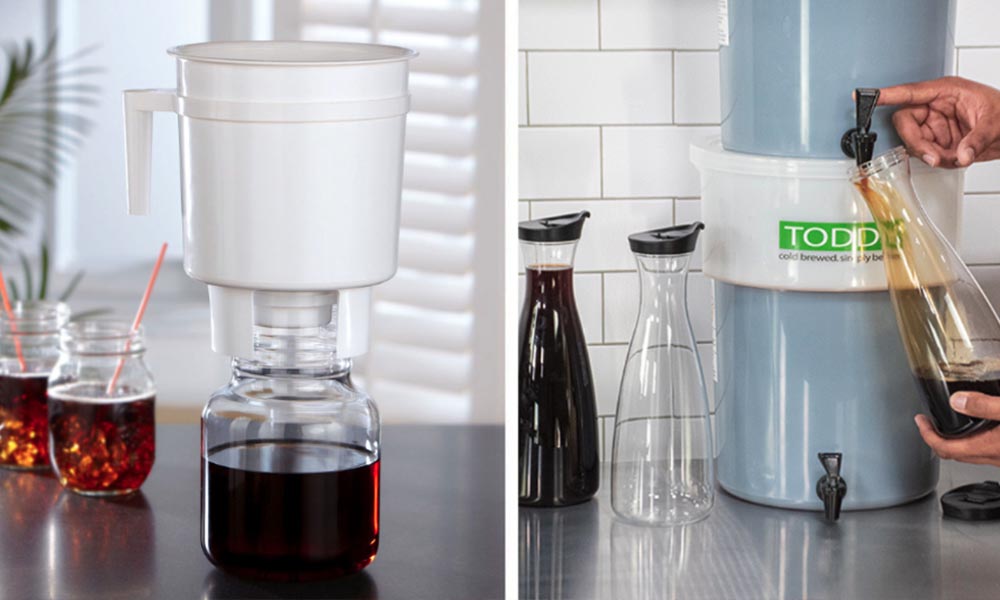
How does it work? The pre-infusion, to be honest, is done with hot water for the first minute, followed literally by an “ice shower.” If you run a small business or simply like having a good запас at home, the Toddy, available in two versions—home and professional—is a fantastic method for brewing larger batches and bottling them.
-
Japanese iced coffee
This isn’t technically a cold brew made by infusion, because the coffee is brewed hot. But it’s not just an “iced coffee” either. This method involves pouring hot coffee directly over ice. The so-called “Japanese iced coffee” has a flavor that stands out compared to immersion cold coffee. Since hot water extracts brighter acidic notes, the result is a lively, fresh, and refreshing cup.
If you like this profile, try using single-origin coffee from regions such as Ethiopia, which tend to have higher acidity. And if you suddenly crave a cup of cold coffee, this is the easiest route to take. You probably already have the equipment to brew it: just use your brewer—a Chemex or V60 coffee.
-
Cold drip & cold brew
This is literally an “ice drip” preparation, suitable only for those willing to dedicate time and effort. The method involves letting cold water drip slowly onto the coffee. You can imagine it as an extremely slow pour, which can take more than 24 hours. The result is a clean coffee with some body and a wide range of aromatic nuances. The technique emphasizes floral and fruity notes.
To achieve a cup with the characteristics we’ve described, we created a blend specifically designed for cold brew extraction: Cold Lab.
However, we can’t deny it: the time commitment is significant. One drip per second—or even less—can take an entire day to brew a carafe of coffee. And unlike immersion brewing, this method also requires careful monitoring, such as adjusting the drip rate as needed.
To make our cup of cold brew, we would need dedicated tools—some of them truly scenic—like the Colonna cold brew, a real “glass tower” with a fascinating, scientific look. It’s not the only tool you can use for this extraction method: more affordable, with a clean and elegant design, there’s our beloved Cold Dripper Drop.
Cold coffee can be a great option during the summer season or as an alternative to your favorite hot drink. Why not try experimenting with cold coffee using different techniques and coffee varieties to find the best recipe for you?