-5% Off
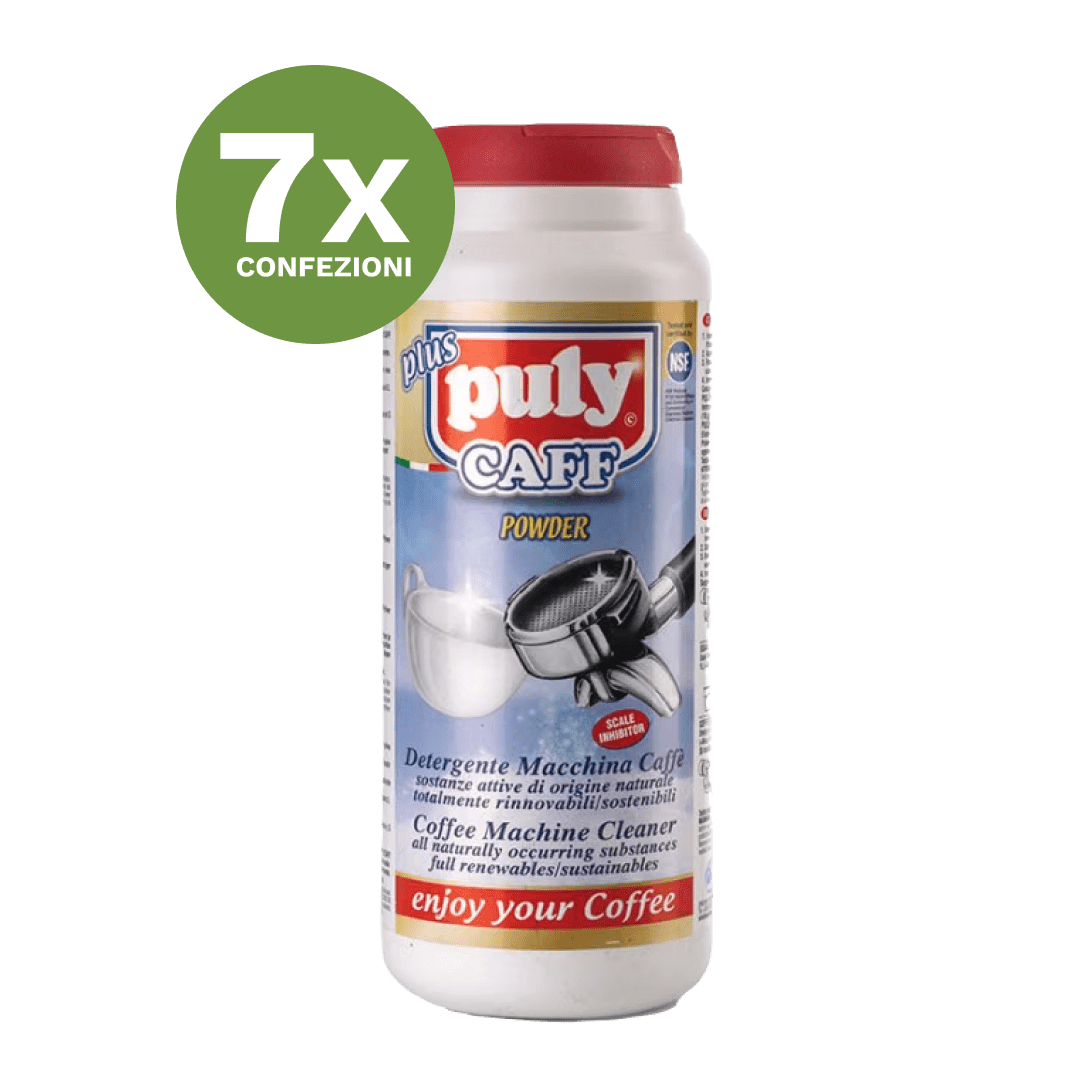
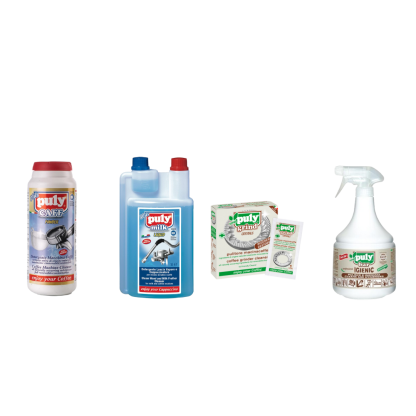
Puly Caff Box
Espresso Machine Cleaner
€83,06

Who loves coffee knows it well: descaling the coffee machine is an essential action to keep the equipment in perfect condition and to brew coffee that is free from off-flavors. A well-maintained machine is indeed the secret to a consistently perfect espresso. Among the fundamental operations that ensure optimal performance and a long lifespan for the appliance, descaling is one of the most important. Yet it is often underestimated or performed incorrectly, risking compromising not only the flavor of the coffee but also the internal functioning of the machine. In this guide on cleaning the coffee machine through descaling, you will learn why it is important, how often it should be done, which products to use and which to avoid, with special attention to the warning signs your machine may already be showing you.
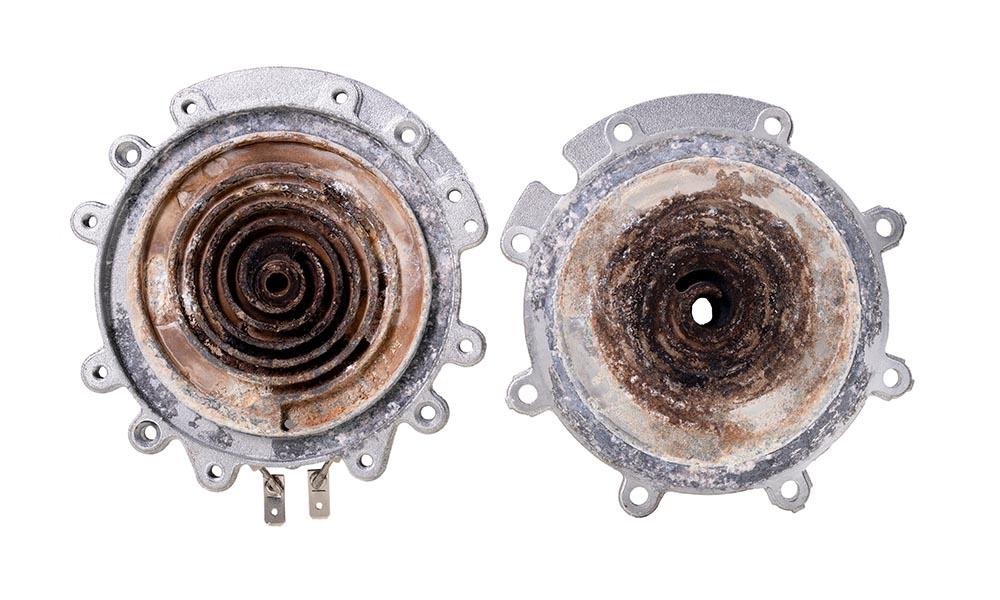
The water we use to prepare coffee naturally contains mineral salts such as calcium and magnesium. Over time, these minerals tend to accumulate inside the hydraulic circuit of the machine, forming limescale deposits. It is not recommended to use tap water, both because it is too hard and contains more calcium, and because of the presence of chlorine. To preserve your coffee machine at the bar or your home moka pot, use filtered or softened water, which can extend the intervals between cleanings, but never neglect the post-treatment rinse. If you don’t know how to properly clean the coffee machine, rely on the cleaning tips from CaffèLAB and purchase the products from the dedicated category.** Limescale accumulates especially in:
The result? Longer extraction times, inconsistent pressure, unusual noises and, above all, coffee that loses aroma, body and creaminess. In the most severe cases, the buildup can even completely block the machine or damage it irreversibly. Regular descaling means preventing these problems, reducing energy consumption and preserving the quality of the cup of coffee we love.
The frequency depends on two main factors: water hardness and daily use of the machine. On average, a domestic espresso machine should be descaled every:**
If you use a filtration system, such as Brita filters or integrated cartridges, you may slightly extend the intervals, but you should not eliminate them entirely. More modern automatic machines provide an alert when it is time to descale, but for all others it is important to monitor signs of limescale, such as variations in water flow or extraction temperature.
Among coffee enthusiasts, one of the most common questions is: is citric acid, vinegar, or a specific descaler better? The answer varies depending on the machine.** Vinegar is not recommended by manufacturers. Not only can it leave residues and unpleasant odors, but it also may damage seals and other sensitive materials. Citric acid, if used in moderate quantities (about 15–20 g per liter of water), can work well, but is not always effective against older deposits.
Each machine has a slightly different process, but the main steps are similar. Before starting, always consult the manual for your specific machine.
Attention: do not neglect the final rinse. Descaler residues can affect the taste and safety of the espresso.
Aside from the time elapsed, there are some clear warning signs:**
When these signs appear, do not wait: prompt descaling can prevent more invasive and costly repairs. Descaling the coffee machine is not just good maintenance practice: it is an act of love toward coffee itself. A clean machine, free from limescale, ensures more stable extractions, cleaner flavors and a more consistent crema. Every detail, from pressure to temperature, works in harmony when the internal circuit is in perfect condition. For enthusiasts like you, CaffèLAB has everything you need to take care of your machine.