French Press Upress
Timemore
27.30 €
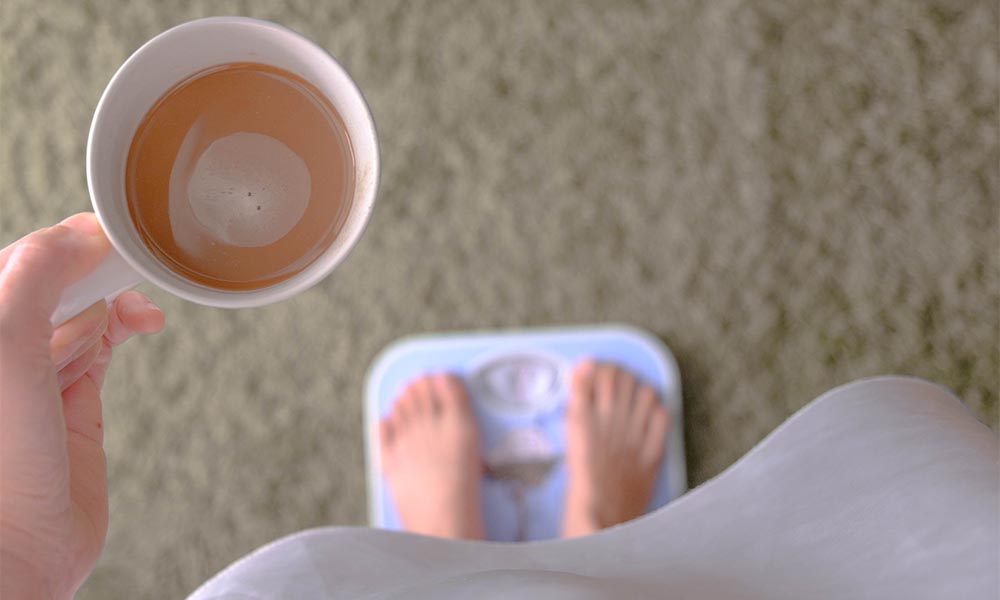

Whoever is looking for information about coffee and weight loss usually wants to understand, on a scientific basis, whether coffee helps you lose weight or whether, on the contrary, coffee makes you gain weight. The most honest answer is this: coffee “in itself” can provide a small metabolic support, but it is not a shortcut to weight loss. What really makes the difference are dose, timing, individual tolerance and, above all, what we add to coffee (sugar, honey, syrups, cream).
Starting from the calories in coffee, which are about 2 per cup, it is always necessary to consider your overall diet and lifestyle.
Caffeine is a central nervous system stimulant. On a metabolic level, it can modestly increase energy expenditure and promote fat oxidation (that is, the use of lipids as “fuel”). This effect is real, but often small and variable from person to person: it depends on genetics, coffee habits (tolerance) and lifestyle.
In some meta-analyses, caffeine intake is associated with reductions in body weight, BMI and fat mass, but these are average results, not “guaranteed weight loss”. Moreover, many studies, such as those available from the National Institute of Health, are short-term or include weight-loss products combined with other ingredients, so it is not always easy to attribute the effect to coffee alone. In cases of health issues related to overweight, it is always best to consult a specialist, who can also advise on the appropriate amount of coffee to gain its benefits within a varied and balanced diet.
From a practical point of view: if you train, caffeine can improve performance and perceived effort, indirectly helping you move more. But weight loss remains the result of a consistent energy balance over time (nutrition, activity, sleep).
Discover now on CaffèLAB our quality coffee blends, perfect for sweetening your days with harmony.
If you are wondering whether coffee makes you gain weight or not, the answer is often found in “invisible” calories: sugar, whole milk, creams, toppings and dessert-style drinks can turn a cup into a high-calorie snack. Black coffee, on the other hand, provides negligible calories: it is not coffee itself that increases daily energy intake, but what is added to it.
There is also a second, less intuitive mechanism to consider: sleep and the relationship with food. Consuming caffeine too late in the day (or in sensitive individuals) can worsen sleep quality. Poor and insufficient sleep tends to shift appetite and lead to food choices toward more calorie-dense foods. In this case, it is not coffee that directly causes weight gain, but its impact on habits.
Finally, some people tend to drink more coffee when they are stressed: stress can increase emotional eating, and coffee is often accompanied by pastries, cookies or snacks. As we can see, the problem is not coffee itself, but the way it is consumed.
Here is a concrete mini-strategy (without extremes), useful for those who fear that coffee makes them gain weight but still want to take advantage of its potential benefits:
The advice we at CaffèLAB can give you is to always choose high-quality coffee specialties that do not need caloric additions because they are already enriched with natural aromas that surprise the palate. Discover them all and let yourself be surprised by every magical aroma, without the fear of gaining weight.