Nespresso capsules 50/50 Gran Crema
Compostable
4.17 €

In the world of home coffee, the difference between capsules and coffee pods is one of the most discussed topics among those looking for convenience, quality, and environmental awareness. Both solutions represent a revolution compared to classic ground coffee, but they offer different experiences, advantages, and limitations. Understanding how they work, what sets them apart, and the results they deliver in the cup can truly help you choose the system that best suits your habits.
When we talk about portion coffee, we mean single doses that are ready to use, allowing you to make an espresso without having to measure and tamp the blend by hand. Both capsules and pods usually contain between 5 grams of coffee in capsules and 7 grams of coffee in pods, but the structure and the material that encloses the blend are completely different.
Did you know that among the coffee blends by CaffèLAB you can also find Arabica pods with the high quality that sets our products apart? And it’s just one of the items we offer to those who want to enjoy coffee at home with a machine such as our Spinel coffee machine.
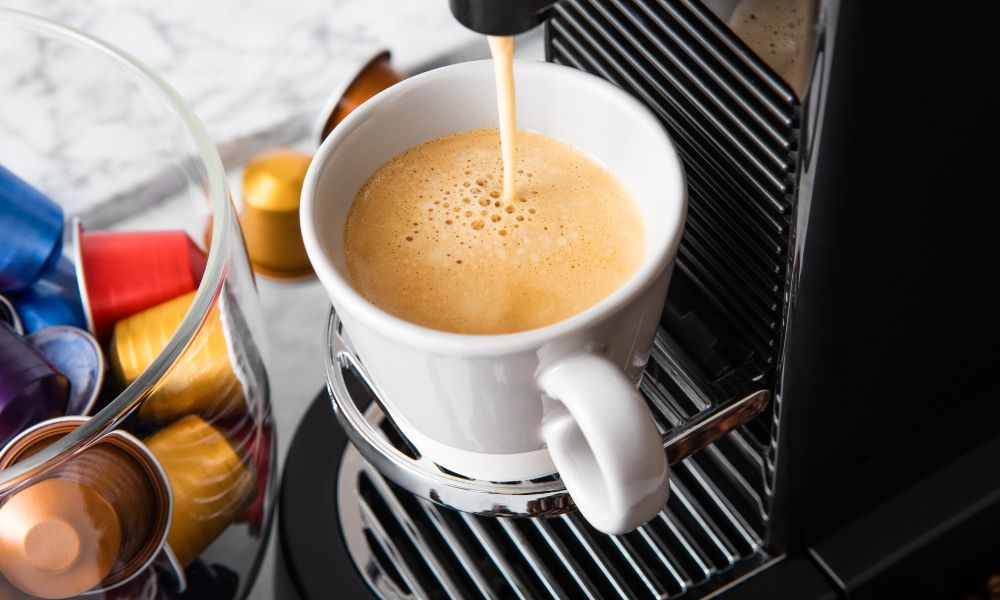
Capsules are small rigid containers, made of plastic or aluminum, hermetically sealed to protect the coffee from oxygen and humidity. This solution, born from specific patents, makes it possible to preserve the freshness and fragrance of aromas for a long time. Inside the capsule, the blend remains isolated until the moment of extraction: the machine pierces the capsule and forces hot water through the coffee, ensuring a consistent result with every dispense. Try our FAP capsules and our Nespresso-compatible capsules to taste quality in the cup even in these formats.
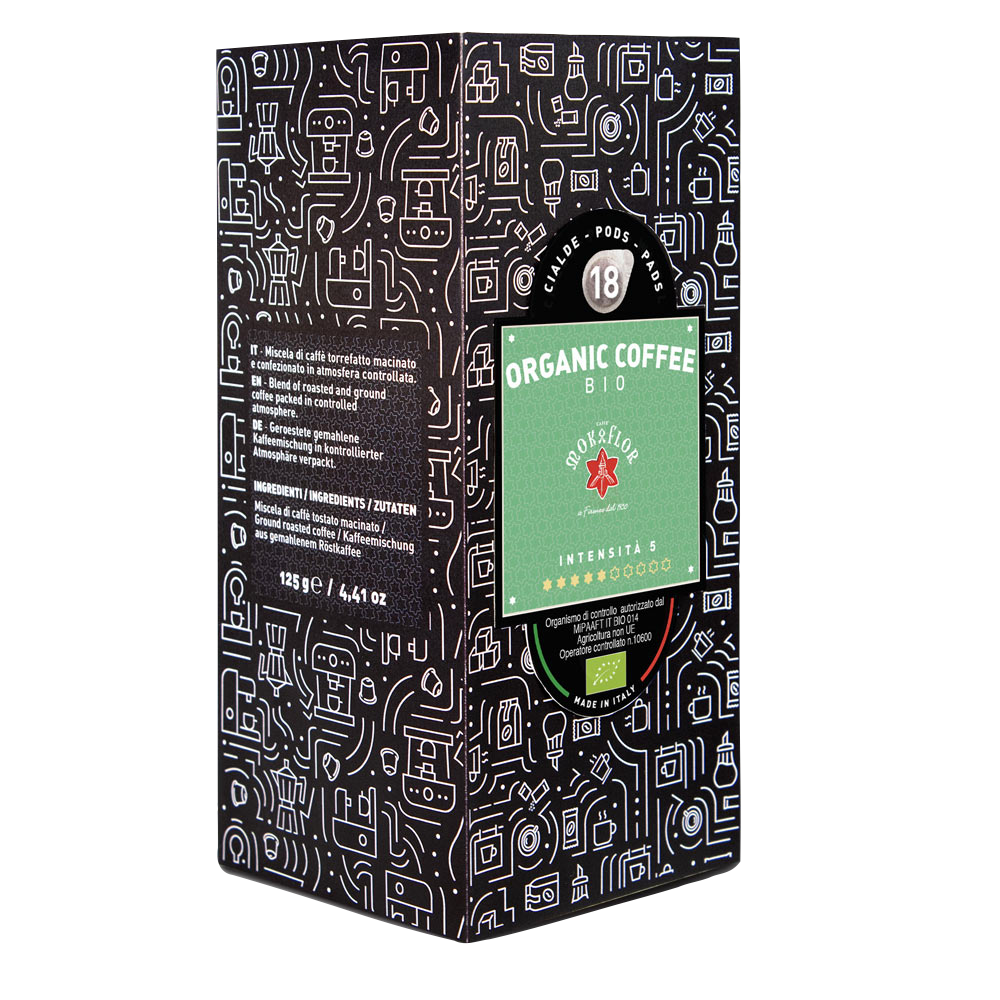
Pods, on the other hand, are small discs of filter paper, completely biodegradable, inside which the dose of pressed coffee is contained. Many pods are produced according to the E.S.E. (Easy Serving Espresso) standard, which guarantees uniform dimensions and dosage, allowing compatibility with many machines from different brands. In this case, water passes through the coffee bed wrapped in paper, and the extraction tends to be more similar to that of a moka pot, with an aromatic profile that is often more delicate.
One of the most relevant aspects of the difference between capsules and coffee pods concerns the materials and their environmental implications. Capsules, precisely because of their plastic or aluminum structure, are harder to dispose of and can generate a higher environmental impact if they are not recycled through dedicated collection streams. Some companies have invested in compostable capsules or take-back programs, but the actual recycling rate is still lower than that of pods.
Pods, being made almost exclusively of filter paper, are generally biodegradable and can often be disposed of in organic waste. This makes them a particularly appreciated choice for those who want to reduce the production of non-recyclable waste and choose a more “green” coffee. From a compatibility standpoint, capsules are almost always tied to closed, proprietary systems: this means that a Nespresso capsule, for example, will not be compatible with a Lavazza A Modo Mio machine, and vice versa. E.S.E. pods, instead, by following an open standard, can be used on a wide range of machines from different brands, offering greater freedom in choosing blends.
When we talk about sensory experience, the main difference often comes down to the result in the cup. Capsules are designed to offer maximum consistency and ease of use: the extraction is engineered to produce a dense, compact crema and an intense taste, very close to a bar-style espresso. The hermetic seal also allows better preservation of aromas, which is particularly useful if consumption is not daily. In addition, the wide range of capsules available makes it possible to choose from countless variations in taste, intensity, and flavoring.
Pods, on the other hand, often produce a more delicate and linear espresso, with a less “showy” crema but still satisfying. The filter paper gives the coffee a particular aromatic clarity, and many enthusiasts appreciate the softer mouthfeel and balanced body in the cup. In both cases, a lot depends on the quality of the blend, the roast, and the freshness of the product.
Beyond technical and sensory aspects, it’s important to consider the practical and economic side. On average, capsules cost more per cup than pods, especially if you opt for original products from the best-known brands. However, they guarantee total cleanliness, eliminating any coffee powder residue and making machine maintenance easier.
Pods, instead, stand out for a lower cost per cup and for the ability to change blends often without changing machines. The E.S.E. system, in particular, makes it possible to explore different roasters without constraints. Another advantage is simpler waste management: once used, the pod can be thrown directly into organic waste. Ultimately, there is no universally best solution. The difference between capsules and coffee pods reflects personal needs, tastes, and different lifestyles. The key is to always choose quality products like those offered in our store, preferably fresh and well stored, and enjoy every cup mindfully.