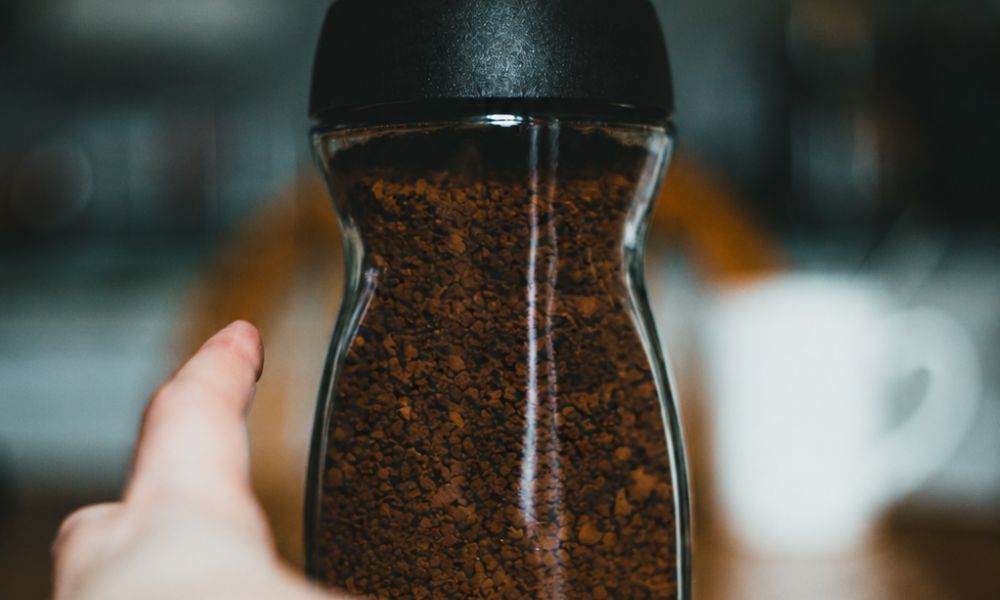

Instant coffee is a practical solution for anyone who wants a quick drink, without a moka pot, espresso machine, or any tools. It isn’t simply ground coffee — it’s an already-prepared coffee extract, dehydrated and made soluble in water again. Understanding how it’s made helps you judge it better, distinguishing it from fresh whole bean coffee or ground coffee, especially in terms of aroma, body, and complexity in the cup.
What instant coffee is and how it’s made
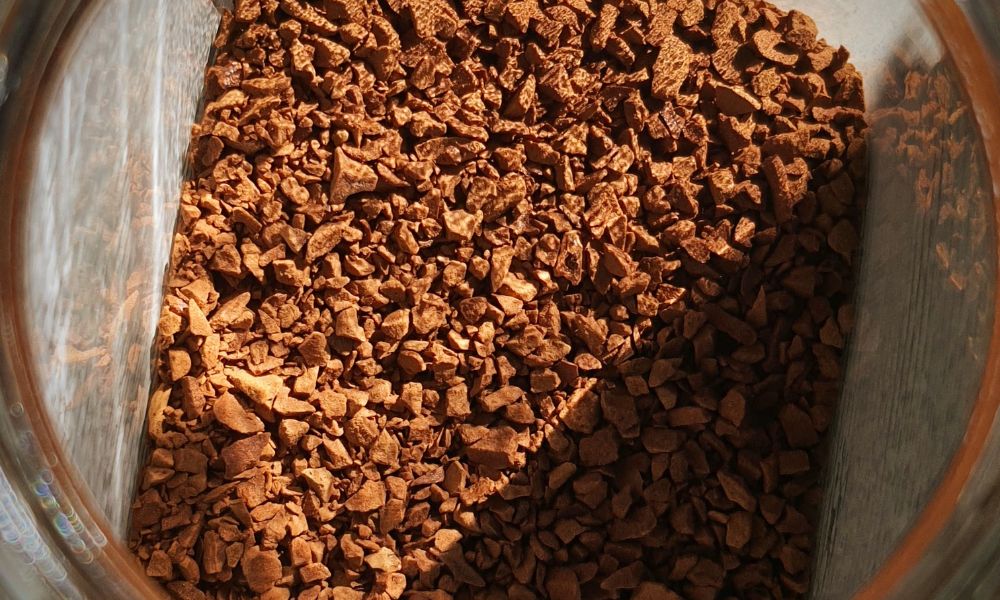
Instant coffee is obtained starting from roasted beans, ground and extracted with hot water, in a way similar to a highly concentrated brew. The liquid extract is then dried through industrial processes that remove the water and leave a powder or granules that dissolve quickly.
There are two main techniques.
- The first is spray drying, in which the extract is sprayed into hot air until it turns into powder.
- The second is freeze-drying, a gentler method: the coffee is frozen and then dehydrated under vacuum.
- Freeze-dried coffee often tends to preserve some aromatic notes better, because it undergoes less thermal stress than hot-air drying.
Instant coffee vs. fresh coffee: the main differences
The most important difference concerns aromatic freshness. In fresh coffee, especially when it’s in beans and ground just before brewing, the oils and volatile compounds are still present in significant amounts. These are exactly the elements that produce notes of dried fruit, cocoa, flowers, spices, or caramel, depending on origin and roast.
In instant coffee, on the other hand, some of the aroma is lost during extraction and drying. The result can be pleasant and clean, but usually less layered. The body also changes: a fresh espresso has emulsion, crema, and texture; a moka offers roundness and intensity; a well-extracted filter coffee highlights acidity and sweetness. Instant coffee focuses mainly on immediacy and consistency.
In summary, the most evident differences are:
- fresh coffee offers greater aromatic complexity;
- instant coffee is quicker and more stable over time;
- fresh coffee requires grinding, dosing, and technique;
- instant coffee is simply prepared with hot water.
To learn more about how flavor comes through in the cup, it can also be useful to read the complete guide to grinding and the section dedicated to fresh whole bean coffee on CaffèLab.
How to prepare instant coffee
Preparing instant coffee is simple, but a little care can greatly improve the result. Generally about 1.5-2 grams of product are used per 120-150 ml of water, adjusting the dose according to the desired strength. The water should not be boiling: a temperature around 85-90 °C can make the drink less bitter and more balanced.
A common mistake is treating it like an espresso, looking for density and crema that don’t really belong to this product. It’s better to think of it as a different kind of drink, closer to an instant long coffee. For a more enjoyable instant American-style coffee, it’s best to first dissolve the granules in a small amount of hot water, mix well and then add the rest of the water. Shop on CaffèLab for quality American coffee machines for a great result even at home!
Is instant coffee bad for you?
The question “is instant coffee bad for you?” is searched a lot, but it should be approached with balance. Pure instant coffee, made of only coffee, is not automatically a harmful product. It contains caffeine, though in variable amounts, and should therefore be consumed in moderation like any other coffee-based drink.
The real concern relates to flavored products or pre-mixed instant blends, such as instant cappuccinos, sweetened preparations, or “3 in 1” drinks. In these cases there can be sugars, vegetable fats, thickeners, or flavorings that significantly alter the nutritional profile. Pure instant coffee, on the other hand, has negligible calories, as long as no sugar, milk, or cream is added.
When to choose instant coffee and when to avoid it
Instant coffee makes sense when you need convenience, long shelf life, and immediate preparation: at the office, while traveling, camping, or when you don’t have any equipment. It can also be useful in the kitchen, for flavoring creams, desserts, batters, and cold preparations, because it dissolves quickly and adds intensity without adding excessive liquid.
However, if the goal is to truly taste the origin of the bean, the roast, and the aromatic profile, fresh coffee remains superior. A good espresso, a carefully made moka, or a V60 filter allow for much more precise control over extraction, body, acidity, and sweetness.
So the best choice isn’t absolute: it depends on the use. The best instant coffee is the pure kind, well preserved, ideally freeze-dried and without unnecessary ingredients. Fresh coffee blends, on the other hand, perform best when the beans are recent, stored properly, and ground just before brewing.
Choosing instant coffee or fresh coffee depends on personal taste
Instant coffee is a technical product, made from an extraction that has already taken place and turned into instant granules or powder. It shouldn’t be confused with fresh ground coffee: it offers convenience and consistency, but loses some of the aromatic richness that makes a freshly brewed cup special. For those seeking sensory quality, the advice is to start with fresh beans and a method suited to your own taste; for those seeking speed, instant coffee can be a convenient solution, as long as it’s chosen carefully. On CaffèLab you can find a wide range of specialty coffee blends, extraction methods, and tips for getting a more balanced cup every day.