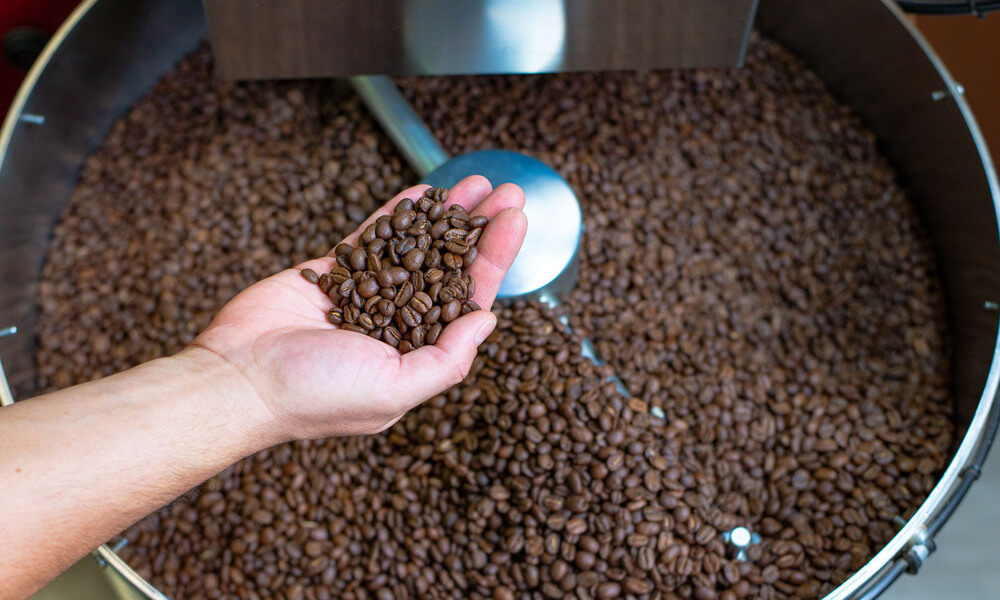
The coffee roaster is not simply the person who “cooks” coffee. It is the professional who interprets each batch of green coffee and decides how to transform it into a precise, recognizable flavor profile suited to a specific brewing method. Behind every successful roast are experience, sensory sensitivity, technical expertise, and the ability to understand the behavior of the bean throughout the entire process. In English, coffee roaster can refer both to the roaster, meaning the professional, and to the machine used to roast coffee. In this article, we will focus mainly on the role of the roaster, while referring to the roasting machine as the tool that allows them to control heat, time, airflow, and flavor development.
Green coffee, in fact, does not yet have the intense aroma we associate with espresso or filter coffee: it is the combination of heat, time, and technical control that develops its sensory profile. Roasting is therefore a complex physical and chemical process, in which the roaster must interpret color, smell, sound, and temperature curves to achieve a consistent result. Industry sources such as National Coffee Association and Perfect Daily Grind describe roasting as: “the stage that transforms green beans into aromatic coffee beans, through progressive phases such as drying, Maillard reactions, first crack, and final development.”
Coffee Roastery: where the coffee profile is created
A coffee roastery is the specialized roasting facility where green coffee is selected, roasted, tasted, and prepared for sale. It is not simply a production workshop, but an environment where technical expertise and sensory sensitivity work together. Here, the coffee roaster evaluates the origin of the beans, the processing method, density, moisture content, and desired cup result, building a roasting profile suited to espresso, moka, or filter coffee. In a quality coffee roastery, every batch is monitored through regular tastings, extraction tests, and consistency checks. For CaffèLab, this step is essential because it allows us to offer distinctive coffees, fresh and enhanced in their aromatic identity, without flattening the differences between origins and blends.
The role of the coffee roaster in coffee quality
A professional coffee roaster works with a living raw material: every origin, botanical variety, processing method, and bean density requires a different approach. An Ethiopian washed coffee, for example, can express floral and citrus notes through a lighter and more precise roast; a natural Brazilian coffee can highlight sweetness, chocolate notes, and body with slightly deeper development.
The roaster’s responsibility is not simply to “darken” the coffee, but to build a roasting profile suited to the origin and brewing method. A coffee intended for espresso may require greater balance between acidity and body; one designed for V60, Chemex, or filter coffee may benefit from a lighter roast capable of preserving aromatic clarity and cleanliness.
For this reason, the CaffèLab experts consider roasting a craft-based yet measurable process: sensitivity and experience matter, but they must work together with concrete data such as temperature, time, humidity, final color, and cupping evaluation.
How coffee roasting works
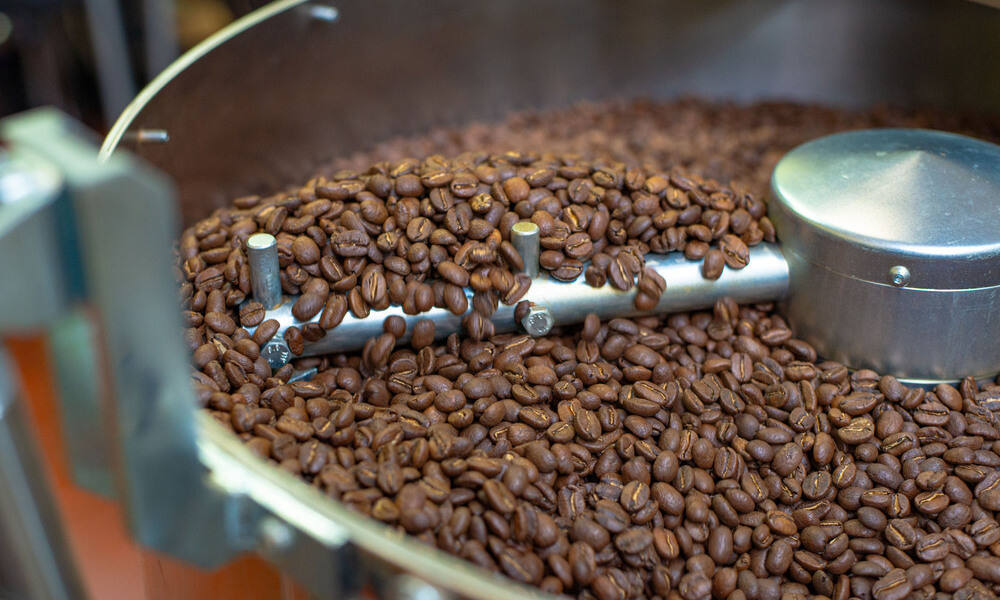
Roasting begins with preheating the machine and loading the green coffee into the drum or roasting chamber. During the first few minutes, the beans lose moisture: the color changes from green to yellow, while grassy aromas emerge before becoming sweeter. This drying phase is delicate, because excessive heat can scorch the bean surface, while insufficient heat can result in a flat flavor profile. Explore our guide to fresh roasted coffee to better understand the nuances of this world.
Next comes the phase in which Maillard reactions become crucial, namely the interaction between reducing sugars and amino acids. This is where many complex aromatic notes develop: toasted bread, nuts, cocoa, caramel, and spices. At the same time, caramelization contributes to the sweetness and brown color of the bean. Technical roasting sources identify both Maillard reactions and caramelization as key stages in the formation of color, aroma, and body.
The most recognizable moment is the first crack, a sound similar to small popping noises. It occurs when the internal pressure of the bean increases and the cellular structure expands. From this point begins the development phase, meaning the final stage in which the roaster decides how far to push the profile. A roast stopped shortly after first crack tends to be lighter, brighter, and more aromatic; extended development increases body, perceived sweetness, and roasted notes, but may reduce clarity and acidity.
Roasting techniques and aromatic profile
There is no single roasting technique suitable for every coffee. Roasting is built around a curve, meaning the progression of temperature over time. The roaster controls initial energy, airflow, rate of temperature rise, and discharge timing. The goal is to avoid two opposite defects: underdeveloped beans, with vegetal notes or unripe acidity, and overdeveloped beans, with excessive bitterness, smokiness, or loss of origin character.
In simplified terms, three approaches can be identified:
- light roast, ideal for highlighting acidity and floral or fruity aromas;
- medium roast, more balanced between sweetness, body, and complexity;
- dark roast, focused on intensity, bitterness, and notes of dark cocoa and toast.
The choice also depends on the brewing method. Espresso often requires a profile capable of delivering structure and solubility without becoming aggressive. Filter coffee, on the other hand, benefits from preserving aromatic transparency and clarity, since percolation highlights nuances that an overly dark roast would mask.
Coffee roaster and sensory profile: the result in the cup
The work of the coffee roaster is measured through tasting. A good roast should make the coffee recognizable, consistent, and enjoyable: it should not mask the origin, but rather enhance it. In the cup, this means balance between acidity, sweetness, body, and aftertaste. A well-managed profile can reveal notes of citrus, flowers, honey, chocolate, nuts, or spices, depending on the nature of the bean.
Roasting is not a fixed recipe, but a technical choice in service of flavor. To learn more, on CaffèLab you can explore many varieties of specialty coffee and premium coffees, along with insightful guides dedicated to this world.