Brazilian coffee
Brazil and coffee are two inseparable realities, deeply joined by centuries of history, tradition, and innovation. Known as the world’s leading producer, the country not only dominates the global market, but also boasts a unique and fascinating culture tied to the cultivation, processing, and consumption of this beloved beverage. We explore the origins of Brazilian coffee, its unique characteristics, and the recipes that highlight its flavors, taking us into the plantations and kitchens of a country that has made coffee a true way of life.
The history of coffee in Brazil
The adventure of coffee in Brazil began in 1727, when Francisco de Melo Palheta, a Portuguese officer, was assigned to introduce the plant into the territory. According to legend, he managed to obtain the seeds thanks to diplomacy… and to an alleged relationship with the wife of the governor of French Guiana, who gave him the precious beans. Initially, cultivation was concentrated in the northern region of Pará, but soon coffee found its ideal habitat in the fertile lands of the southeast, particularly in Minas Gerais, São Paulo, and Rio de Janeiro. During the nineteenth century, coffee became the country’s economic engine, so much so that it was called “green gold”.


Brazil Organic
Fazenda Dutra

Specialty Coffee Discovery Box
Revolutionize your coffee break with Specialty coffee – 4 x 250gr

Bio Box
Organic coffee
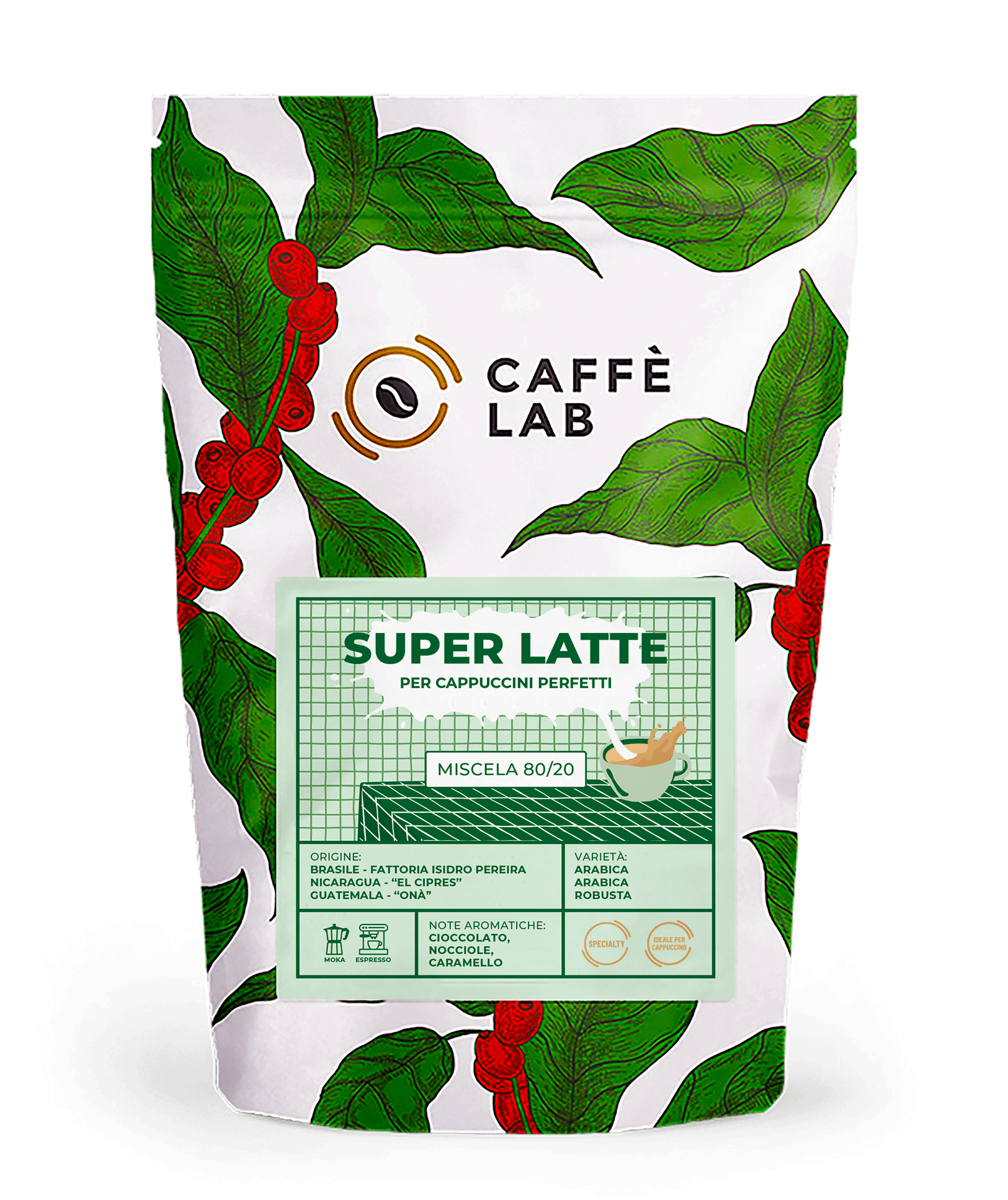


Super Latte
Cappuccino Blend
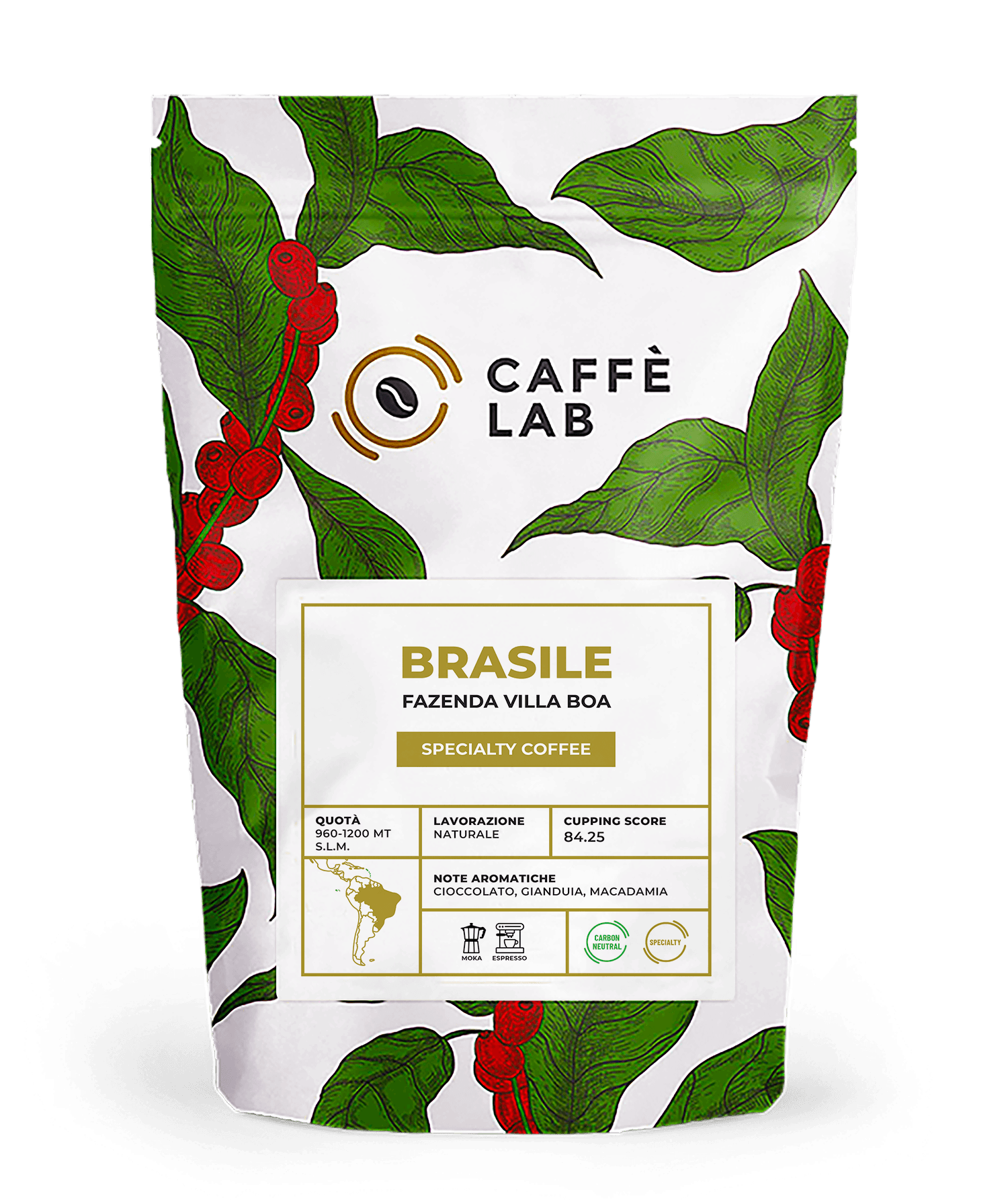


Brazil
Fazenda Villa Boa
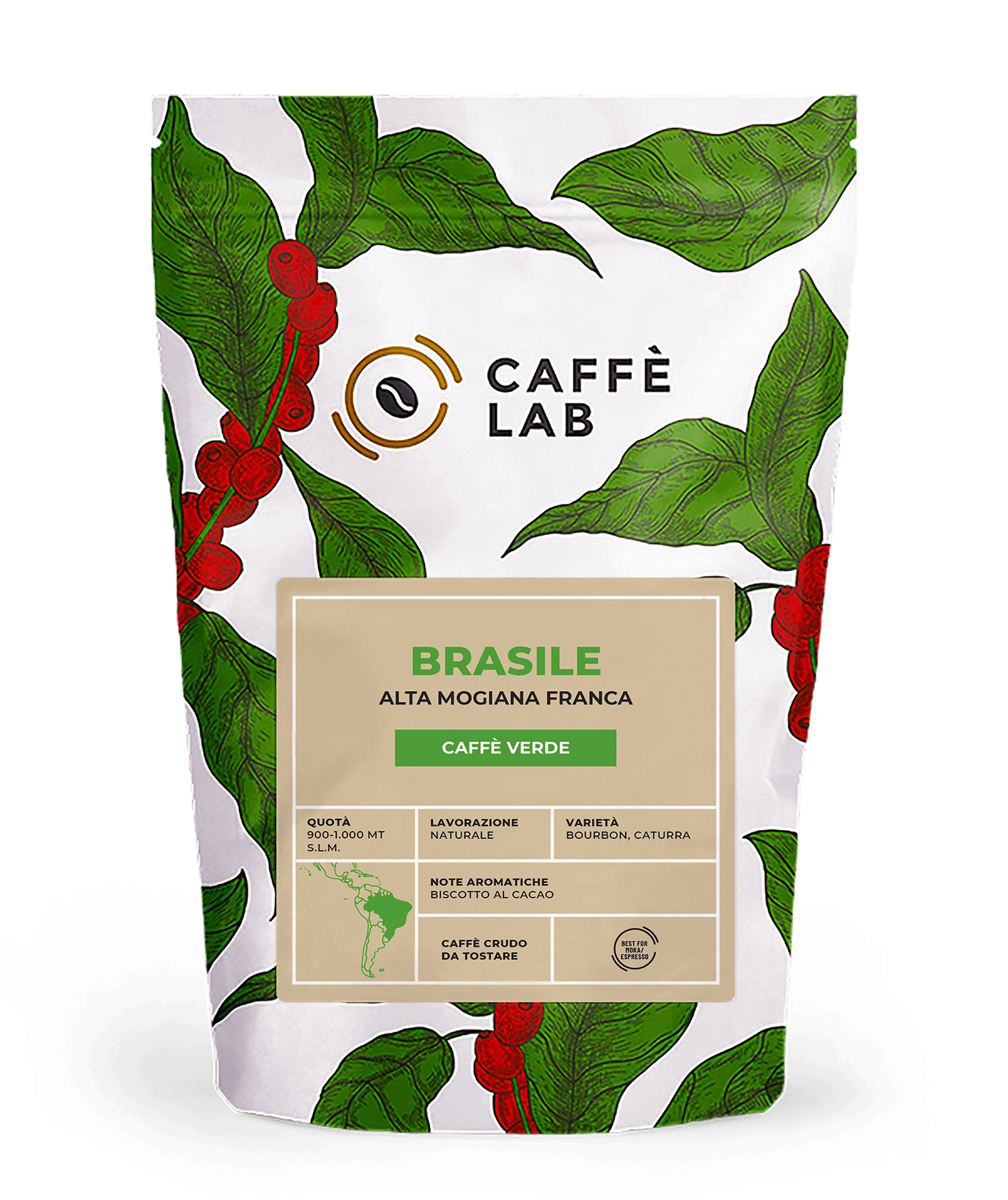
Brazil
Alta Mogiana Franca

Brazil
Alta Mogiana Franca

Brazil
Farm Isidro Pereira
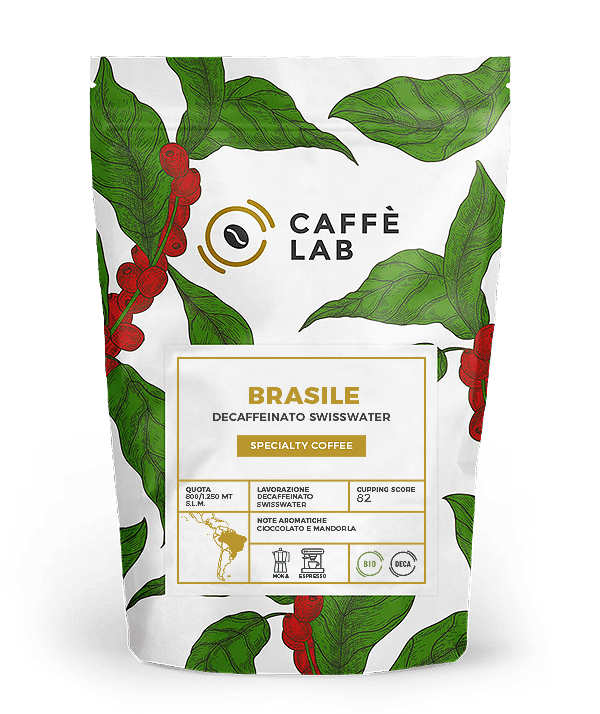

Brazil
Decaf swisswater

Mokaflor Farm Box
tropical animals

Mokaflor Farm 100% arabica
Traceable coffee

Mokaflor Farm 70/30
Traceable coffee
The main production regions of Brazilian coffee
The region of Minas Gerais is the beating heart of Brazilian coffee production, contributing on its own about 50% of the national total. Sub-regions such as Sul de Minas, Cerrado Mineiro, and Chapada de Minas today offer coffees with a sweet and balanced profile, enriched by notes of chocolate, caramel, and dried fruit. It is here that many of the plantations certified for high-quality coffee are found. The Mogiana plateau, in the state of São Paulo, is famous for its full-bodied and sweet coffees, characterized by delicate acidity. Proximity to the port of Santos, the main export point for Brazilian coffee, has made this region one of the most important in the history of the coffee trade. Espírito Santo is known mainly for the production of robusta (or canephora), used for blends and instant coffees.

The characteristics of Brazilian coffee and its history
The coffee cycle deeply influenced Brazilian society, encouraging European immigration to work on the plantations and turning cities such as Santos and São Paulo into commercial and industrial centers in the country. Today, Brazil continues to dominate the global coffee scene, producing about one third of the world harvest. It is not only a matter of quantity: the country is also a leader in the experimentation of new cultivation and processing methods, positioning itself as a point of reference for single-origin coffees and specialty coffee.Brazil is a vast territory, with a diversity of climates, altitudes, and soil types. These conditions make it possible to grow coffee with very varied characteristics, suited both to the commercial market and to the specialty one.
Brazilian coffees are appreciated all over the world for their remarkably sweet and balanced aromatic profile. Often described as “chocolatey,” Brazilian beans offer a pleasant full body and low overall acidity, making them ideal both for espresso blends and for filtered preparations. A distinctive element of Brazilian coffee is the processing method. Most beans are processed using the traditional natural method (natural processing), where the fruits are dried in the sun with the pulp still attached to the seed. This process gives the coffee an intense sweetness and a unique flavor complexity, with notes of honey, ripe fruit, and spices. Recently, Brazil has invested much in the production of specialty coffee, focusing on varieties such as Bourbon, Mundo Novo, and Catuai.

We have a gift for you!
Get your 10% discount coupon
on your first order and don’t miss out on any of our offers!